Controlled Freedom: Building Fulfillment, Safety, and Trust With Your Dog
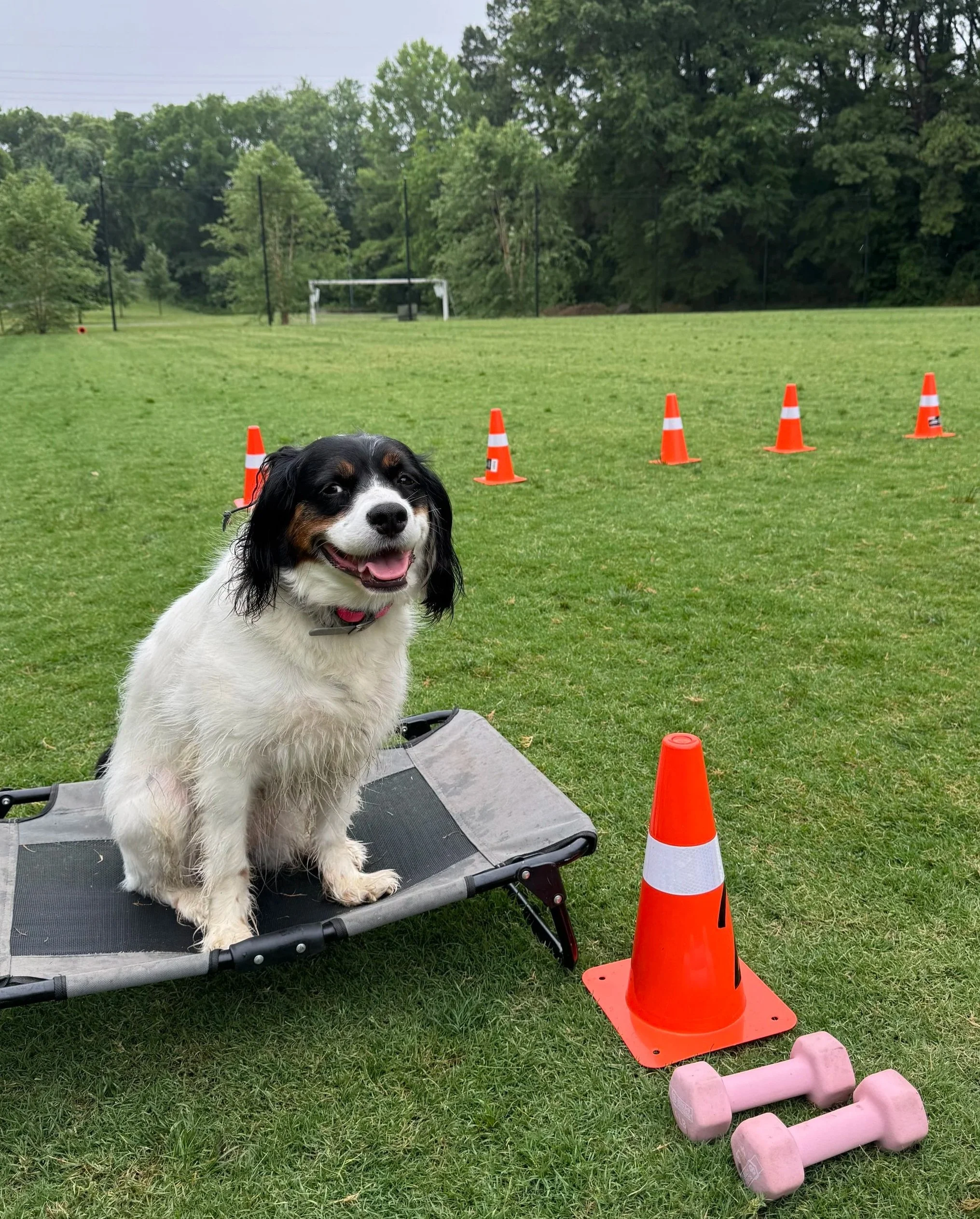
One of the greatest gifts we can give our dogs is freedom.
The freedom to run.
To explore.
To sniff.
To play.
To experience the world with confidence and joy.
But the healthiest kind of freedom isn’t limitless.
It’s guided.
Dogs thrive when freedom and structure exist together. Not because we want to control every moment of their lives - but because clear guidance helps dogs feel safe, understood, and connected to us.
That balance is what creates true fulfillment.
And more importantly, it’s what builds trust.
What Is Controlled Freedom?
Controlled freedom means allowing your dog to experience the world while still maintaining communication, boundaries, and connection.
It’s not about perfection or strict obedience.
It’s about creating opportunities for your dog to make good choices while knowing you are there to guide them when needed.
Sometimes that looks like:
A long leash decompression walk
Structured play with breaks built in
Practicing calmness before excitement
Off-leash time in a safe environment
Agility or movement work with engagement
Giving your dog space to explore while staying connected to you
The goal is not to remove freedom.
The goal is to help your dog learn how to navigate freedom safely and confidently.
Fulfillment Is More Than Physical Exercise
Dogs need more than just activity.
They need purpose. Engagement. Exploration. Rest. Communication.
Many behavioral struggles come from dogs simply not having enough healthy outlets for their minds and bodies.
Dogs were designed to:
Move
Problem solve
Use their noses
Learn
Observe
Explore
Work alongside us
When those needs are fulfilled in a healthy way, dogs often become calmer, more confident, and easier to live with.
Fulfillment isn’t about exhausting your dog.
It’s about helping them feel balanced.
Structure Helps Dogs Feel Safe
Rules and boundaries are often misunderstood as something restrictive.
But for dogs, clarity can actually create comfort.
A dog who understands expectations tends to move through the world with more confidence because they know someone is guiding them through it.
Structure helps prevent situations that can quickly become overwhelming or unsafe:
Overstimulation
Escalating play
Unsafe interactions
Running into roads or hazards
Fear-based reactions
Stress from too much freedom too quickly
Control is not about domination.
It’s about responsibility.
It’s us saying:
“I will help you navigate this safely.”
And when dogs consistently feel guided instead of abandoned to figure everything out alone, trust grows.
Trust Is Built Through Guidance
A strong relationship with your dog is not built through constant correction or unlimited freedom.
It’s built through consistency.
Dogs learn to trust us when:
We advocate for them
We keep them safe
We provide calm leadership
We communicate clearly
We help them succeed instead of repeatedly letting them fail
When a dog knows you will step in before things become overwhelming, they often become more relaxed and more willing to stay connected to you.
That connection is what creates reliable engagement - not fear.
A dog who trusts their owner doesn’t just listen because they have to.
They stay connected because they feel secure with that person.
Freedom Should Grow Alongside Skills
One of the most beautiful things about training is that structure often leads to more freedom over time.
The more a dog develops:
Emotional regulation
Recall
Neutrality
Confidence
Engagement
Impulse control
…the more safely they can experience the world.
Freedom becomes something earned through trust and communication, not something forced before a dog is ready for it.
Final Thoughts
Every dog deserves the opportunity to feel fulfilled.
But fulfillment is not chaos.
And freedom is not the absence of guidance.
The goal is balance.
A dog who feels safe enough to explore.
Structured enough to make good choices.
Connected enough to trust their owner through new experiences.
Controlled freedom allows dogs to experience the world while knowing someone they trust is guiding them through it.
And for many dogs, that combination of movement, structure, safety, and connection is where true confidence begins.
